Six Years On
I wrote this one up six years ago, in the spring of 2020, as the capstone of an eight-week Product Management course. The question hanging over it now is the interesting one: does it still stand up?
Spoiler: yes. Has YouTube built it? No. Has the market proven the demand anyway? Emphatically — and we’ll get to the receipts.
Design a new feature for a company or product you admire — and make the case a real product team couldn’t ignore.
Deliverables: know the company cold — the market, the users, the money. Find a genuine opportunity, and justify why this feature next, because everything a company builds has an opportunity cost. Validate it. Spec the MVP. Plan the launch. Then pitch the lot in five minutes.
I picked the product I knew best: the biggest living room on the internet. Two billion users, a business model most people couldn’t sketch, and — as you’re about to see — a complaint pile hiding a feature nobody had built.
Challenge accepted.
Six years and one retrofit later — this still solves the unsolved.
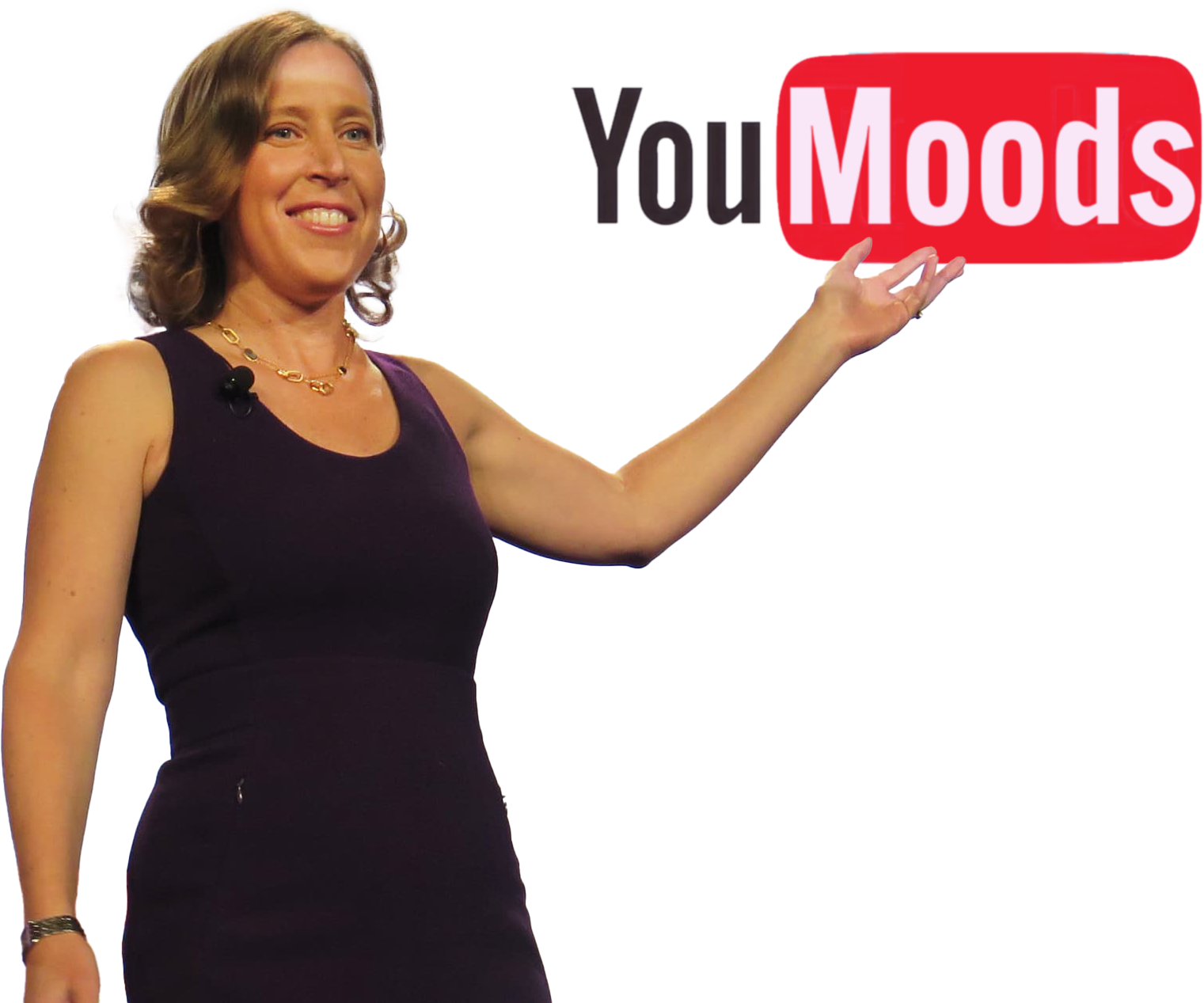
Susan, the Backstory — a Small Amish Town Called Silicon Valley…
We’ll start this YouTube story with Susan Wojcicki — not just because she was the CEO during 2020, but because without her there’d likely be no YouTube story to tell. And certainly no case study.
Back in 1998 she was working at Intel and renting out her garage (doesn’t that sound like the Apple story? — hold that thought) to Larry Page and Sergey Brin, who were tinkering with a little project called Google. A year later, she joined them as employee number 16.
YouTube arrived on 14 Feb 2005, launched by Jawed Karim, Steve Chen and Chad Hurley — three PayPal colleagues of one Elon Musk. Its inception — so the founding legend goes — came from the founders’ frustration at being unable to share dinner-party footage over email, thanks to attachment size limits. (Karim disputes the dinner party ever happened. Founding myths are like that.)
The first video ever uploaded: “Me at the zoo,” starring Karim. And some elephants.
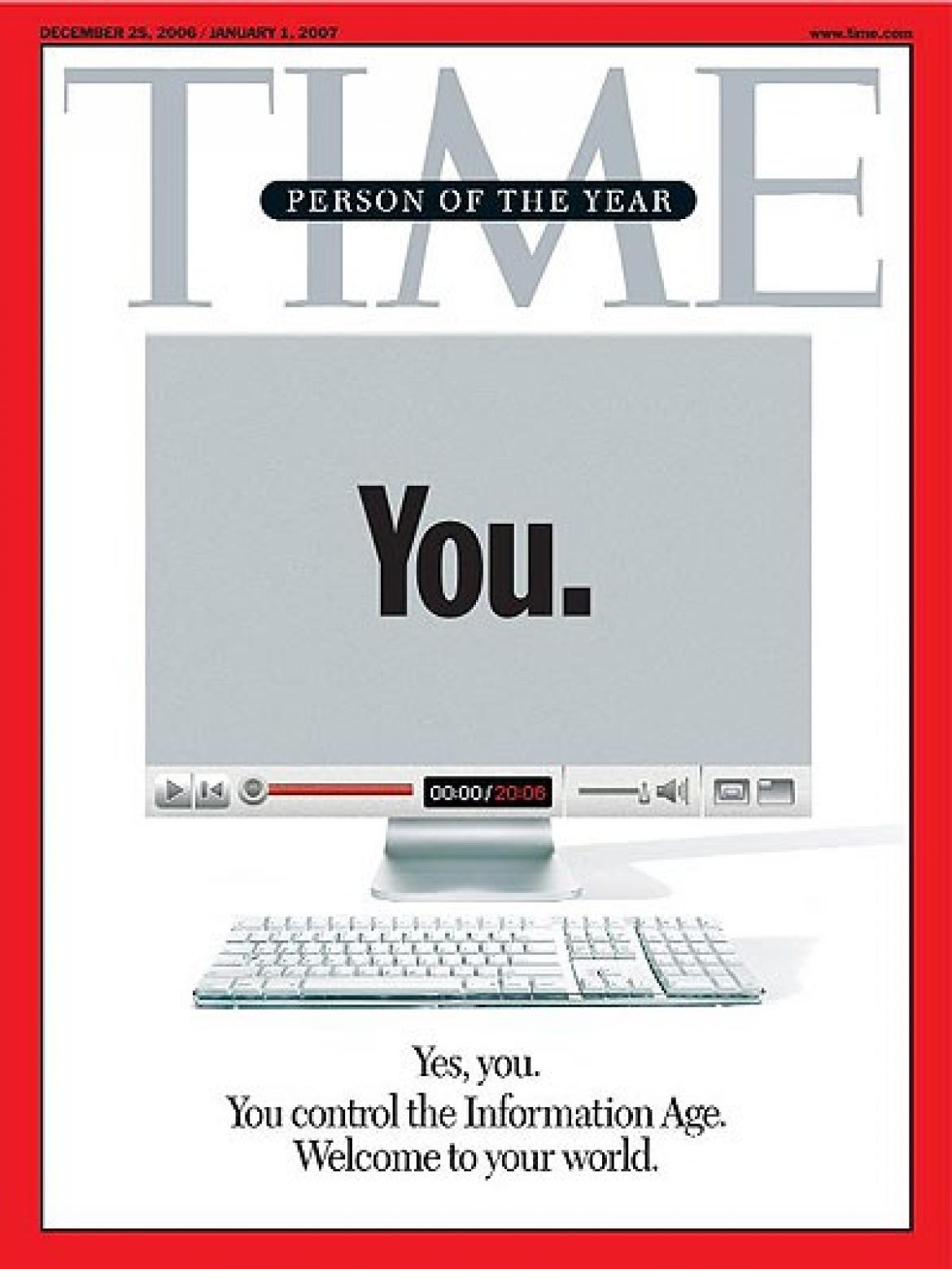
Susan spotted its potential from inside Google and pushed hard for the acquisition — $1.65 billion in 2006, a price plenty of people called madness at the time. That same year, Time magazine chose ‘YOU’ as its Person of the Year, recognising millions of hobbyist creators with the revolutionary potential to “wrest power from the few” and to “change the way the world changes.”
And that Apple thing? Susan’s mother taught journalism at Palo Alto High — Steve Jobs’ daughter Lisa among her pupils. Jobs, of course, founded Apple with Steve Wozniak in his parents’ garage — in, surprise surprise, Los Altos of Silicon Valley.
Susan’s sister Anne co-founded 23andMe, the DNA-testing company once valued in the billions. The Wojcicki girls were raised in the heart of Silicon Valley — a place where everyone knows everyone, and everyone owns a garage they’ll rent to the founders of the next billion-dollar company. A small Amish town, basically. With better Wi-Fi.
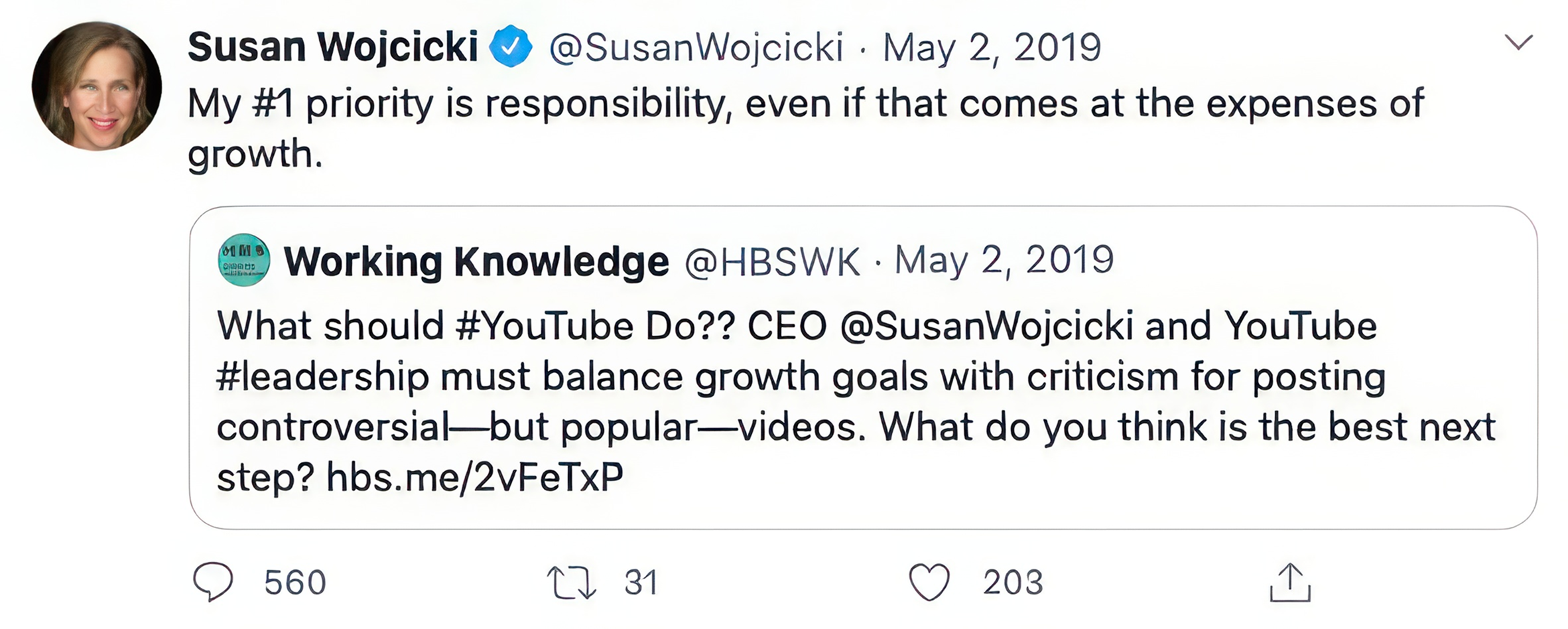
By 2020, Susan was running YouTube itself — and had just declared “responsibility” the company’s number-one priority. Remember that word. This whole proposal was built to serve it.
The next few chapters are me, deep in research. I needed to understand the platform, its business model, its feedback, who uses it and how — and where, exactly, the problem I’d be solving was hiding.
The Platform, As It Was
2020. The world was indoors, and YouTube was the world’s living room. Founded in 2005 by three PayPal alumni — sparked by Jawed Karim’s inability to email a dinner-party video — and bought by Google a year later for $1.65bn, it had grown into something no category could contain: video platform, music service, ad network and social network all at once. Its mission, “to give everyone a voice and show them the world,” rested on four stated freedoms: expression, information, opportunity, and belonging. Pin that third one — “people, not gatekeepers, decide what’s popular” — it’s about to matter.
The business model is famously unorthodox: the users aren’t the customers. YouTube sits at the centre of a symbiotic triangle. Creators upload for free and split ad money (YouTube keeps 40%); viewers watch for free while Google builds profiles from their behaviour on and off the platform; advertisers pay to reach those profiles across sponsored, display, overlay and pre-roll formats. Premium (about 20 million subscribers — 1% adoption) was the promising sideline; everything else — Music, Gaming, TV, Originals, Kids — orbits that ad engine.
And here’s the point everything else in this case study hangs on: for most of its life, YouTube didn’t make money. Ads arrived in 2007, yet the platform still hadn’t turned a profit as late as 2016 — running costs of $6.35 billion a year will do that — and Google didn’t even break out YouTube’s revenue until 2020. A giant that spent a decade in the red lives and dies by its ad engine, and an engine tuned for raw watch time will chase the quantity of your attention over the quality of it. That pressure is where the complaint pile in the next chapter comes from; it’s why Susan put “responsibility” at the top of the agenda; and it’s precisely the gap this proposal sells into — not more time on the platform, better time.
Three parties, one algorithm brokering between them — and when it misfires, it annoys all three at once.

Reading 700 Angry Reviews
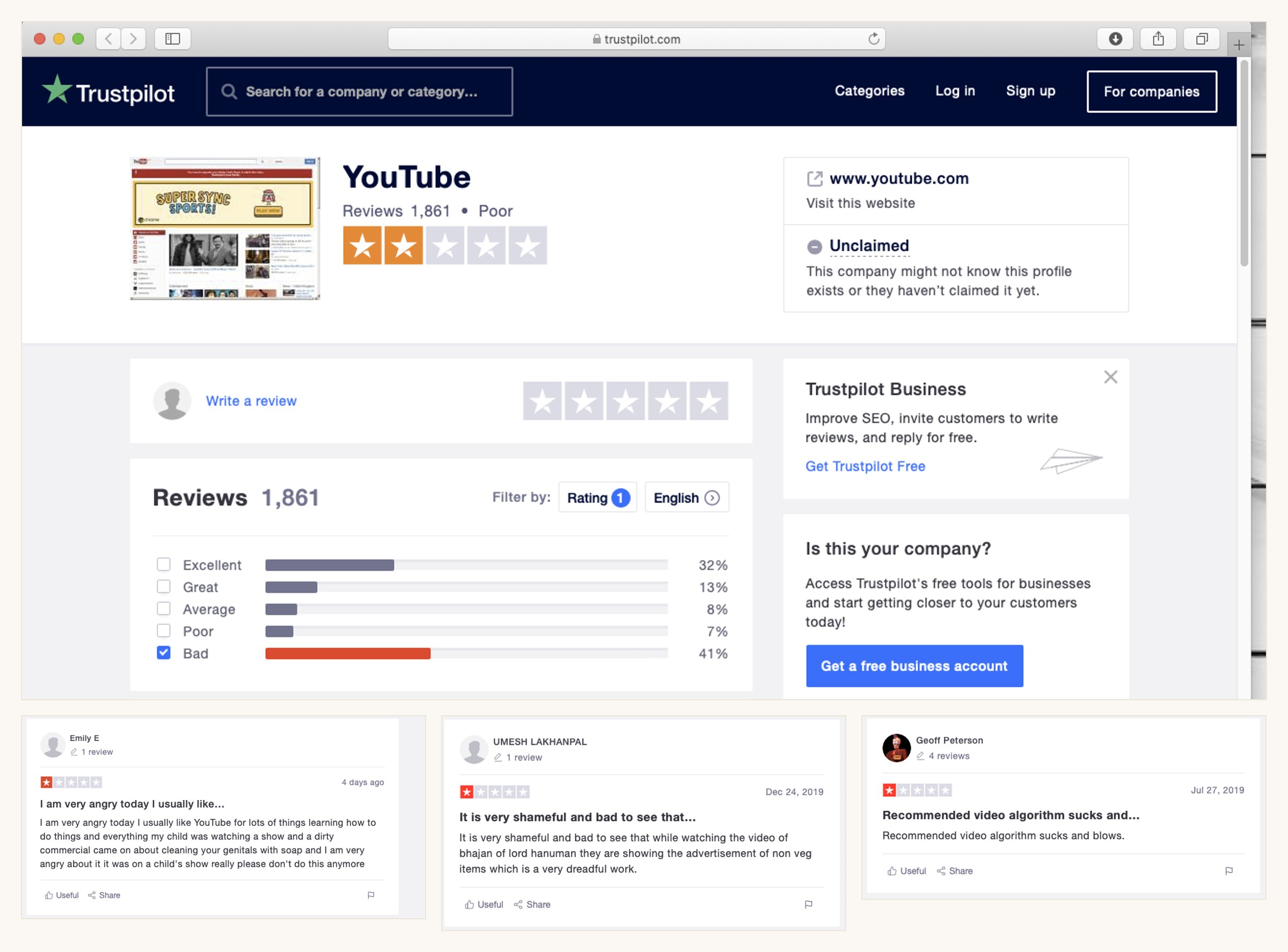
With no access to internal data, YouTube’s Trustpilot page had plenty to work with: 1,880 reviews, rated 2 stars — “Poor” — 41% of them one star.
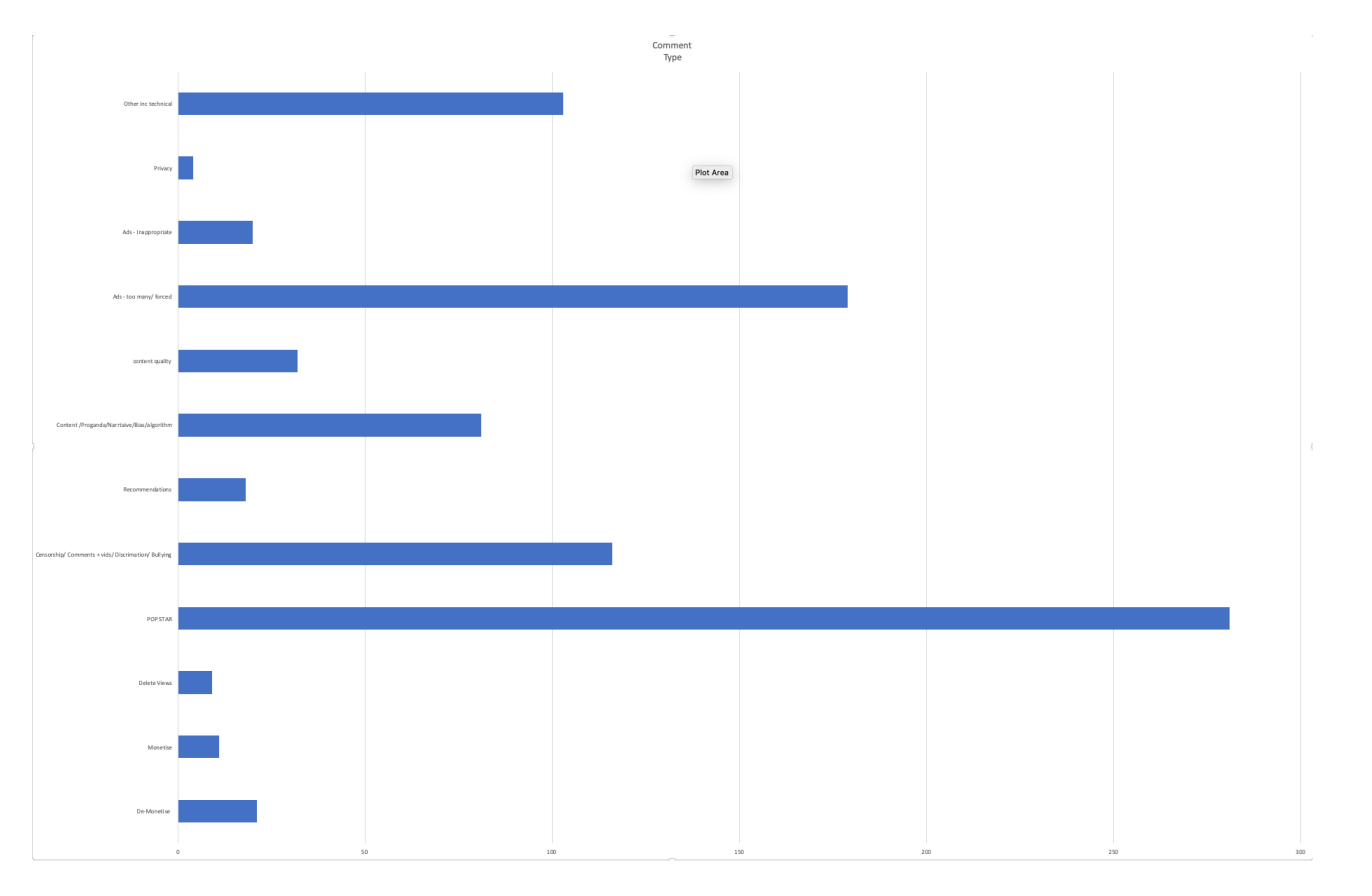
Once you tally them up, a pattern emerges. Set aside “too many ads” and one giant spike with a story of its own — BTS’s ARMY, review-bombing in fury that February after YouTube’s systems wiped tens of millions of views from the “ON” premiere overnight (roughly 105 million down to 45; YouTube called it routine bot-filtering, fans called it #YtBring67MBack) — and one word kept surfacing in all its guises: the algorithm — blamed for censorship, for ad placement, for recommendations. The same theme ran across Complaints Board (one star from 800+ ratings) and a long-running Reddit thread where a YouTube community manager eventually conceded “something weird is up” with recommendations — declared it fixed — and watched the complaints roll on regardless.

I decided to look for potential issues to solve through user reviews — treating these like ticket requests — to see what was making users leave below-3-star reviews on Trustpilot. This, I hoped, would help me identify a category with a problem worth solving.
The Algorithm on Trial
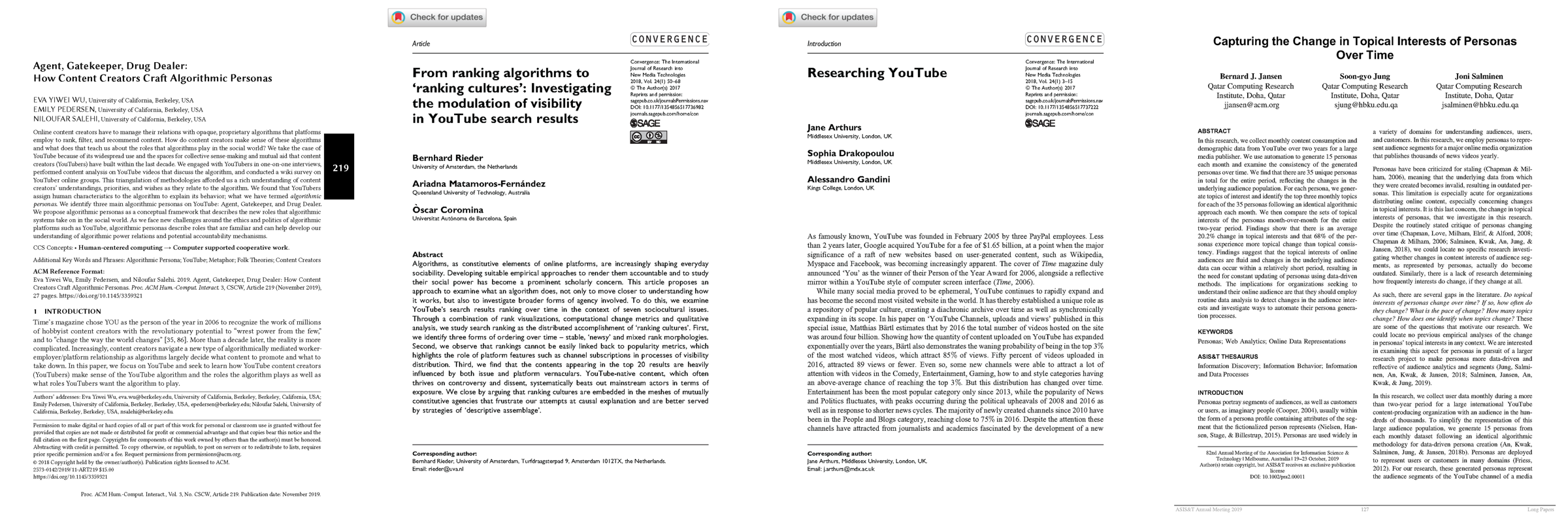
Angry reviews tell you where it hurts, not why. So I went to the literature — nine research papers in all. Three shaped the product directly: a CSCW interview study of how YouTubers perceive the recommendation system1; research showing that users’ topical interests shift measurably month to month, so a static profile chases a moving target2; and the Researching YouTube canon in Convergence3 — which, incidentally, opens with that same Time ‘You’ cover from chapter 02. A telling detail from the first: creators use “the algorithm” and “YouTube” interchangeably. The recommender is the company to the people who depend on it — and it headlined talk after talk at VidCon, the world’s biggest creator conference.
That CSCW study1 is the one whose title says it all: Agent, Gatekeeper, Drug Dealer — the three conflicting personas creators assign the machine that governs their livelihoods. The Agent is a talent manager, scanning and promoting individual channels — creators speak of trying to befriend it. The Gatekeeper stands between creator and audience, allocating views — learn its rules or get lucky. The Drug Dealer has one goal: keep viewers hooked and on the platform, myopically feeding them more of the same. Crucially, the study found these personas change what creators make — people choose content to please the machine. That’s Christine’s pain in chapter 07, documented in the peer-reviewed literature.
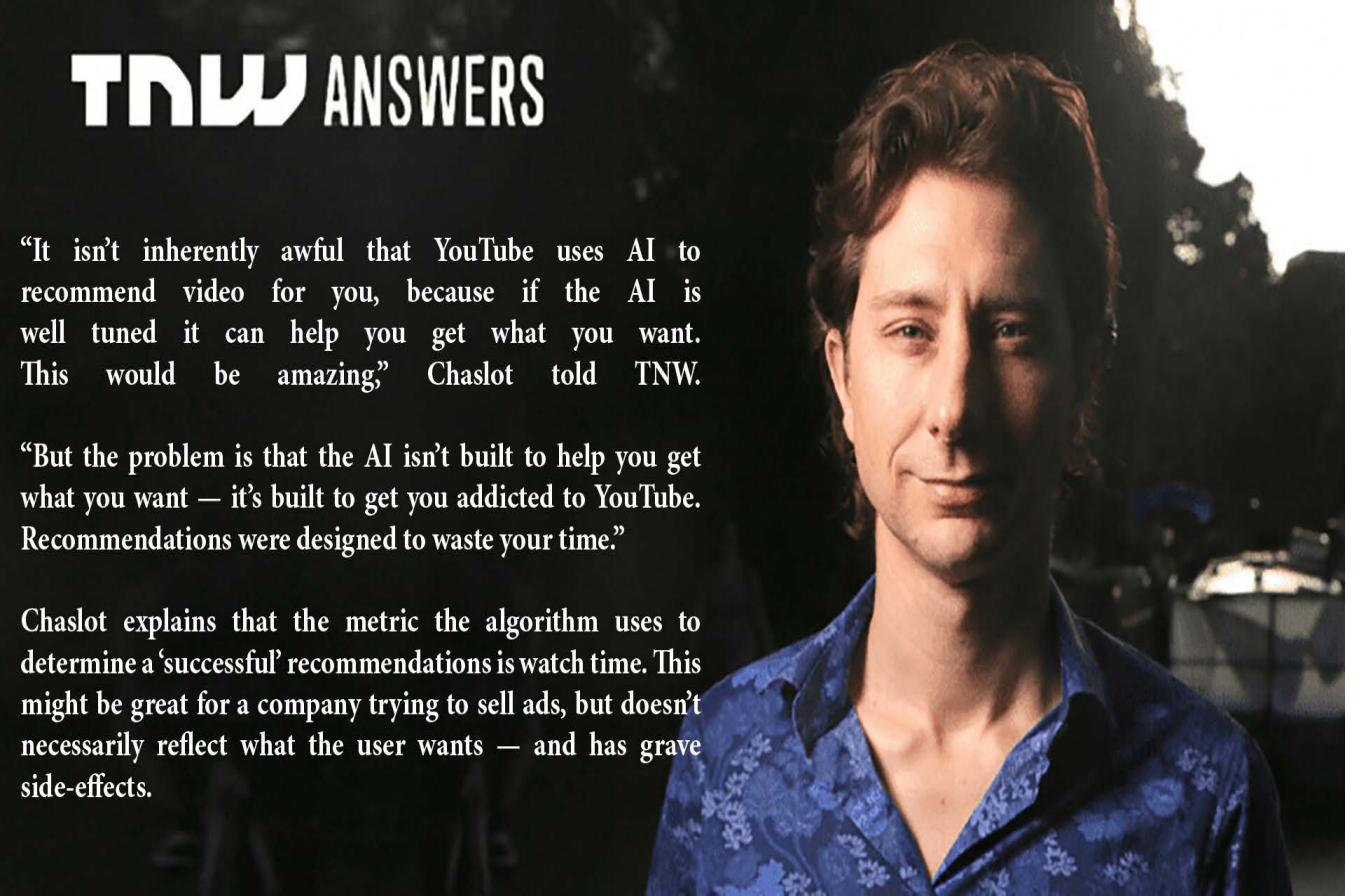
Then came the smoking gun. Guillaume Chaslot — an engineer who worked on the recommendation system — told TNW the AI wasn’t tuned to help users get what they want:
“It’s built to get you addicted to YouTube.”
Guillaume Chaslot — former YouTube algorithm engineer, to TNWAnd his prescription, if recommendations had to stay? Keep them human-curated — or anchor them to the channels you’ve already subscribed to. Sit with that for a second: an insider who built the machine, independently prescribing the exact mechanism YouMoods proposes. I didn’t find that quote after having the idea to justify it — the research trail led here, and the idea crystallised around it.
The same study’s final section — Algorithmic Wishes — asked creators what they’d want the algorithm to become. Two of their six wished-for personas read like a YouMoods spec: the Diversifier (stop inferring interests from one search and trapping viewers in the rabbit hole — precisely what user-declared Moods dissolve) and the Advocator (surface smaller, original creators — the sub-100k benefit, verbatim). Related work on YouTube’s rankings4 reinforced the grievance: visibility can’t be explained by simple popularity, and controversy-thriving niche channels systematically out-rank more mainstream voices. The creators weren’t imagining it.
One more piece of history mattered: how the algorithm got this way. Until 2012, views were king — until the “Reply Girls” farmed clicks with suggestive thumbnails and forced YouTube to switch its north star to watch time. Critics inside and outside the company warned the new metric would reward outlandish, extreme content instead. Every metric gets gamed; the platform’s whole recommendation history is a lesson in Goodhart’s Law — “when a measure becomes a target, it ceases to be a good measure.”
Papers cited in this chapter4 references
- Wu, E.Y., Pedersen, E. & Salehi, N. (2019). Agent, Gatekeeper, Drug Dealer: How Content Creators Craft Algorithmic Personas. Proc. ACM Human–Computer Interaction, 3 (CSCW), Article 219.
- Jansen, B.J., Jung, S. & Salminen, J. (2019). Capturing the Change in Topical Interests of Personas Over Time. Proc. ASIS&T Annual Meeting.
- Arthurs, J., Drakopoulou, S. & Gandini, A. (2018). Researching YouTube. Convergence, 24(1), 3–15.
- Rieder, B., Matamoros-Fernández, A. & Coromina, Ò. (2018). From Ranking Algorithms to ‘Ranking Cultures’: Investigating the Modulation of Visibility in YouTube Search Results. Convergence, 24(1), 50–68.
One Problem, Three Victims
Stack the evidence and the problem stops being a “user annoyance” and becomes a structural fault running through all three sides of the business:
Viewers with short session windows get a feed tuned for a statistical average of them — not the person in the kitchen with eleven minutes before the school run. They scroll, refresh, try to remember channel names, and give up. Creators — a 31-million-channel long tail, most of it under 100k subscribers and without professional management — openly ask whether they’re making content for viewers or for the algorithm, and drift towards clickbait to survive. The ladder exists (the number of channels earning six figures grows 40% a year) but the algorithm decides who climbs it. Advertisers inherit the fallout: weaker conversion than rival platforms and brand-safety anxiety about what their ads appear beside — the very complaints that were driving spend away — and that had pushed ‘responsibility’ to the top of Susan’s agenda.
Three constituencies, one root cause, and a corporate agenda begging for exactly this fix.
The Rule Out…
With the problem mapped, I went hunting for the solution — and I didn’t start with the viewer. Three constituencies means three places a fix could live, so I worked through the other two first.
First stop: the creator side. Meet Christine — and her problem is real, but every fix on her side of the fence means rebuilding the recommender itself: the Diversifier, the Advocator, the wished-for algorithms. Enormous, slow, political — and it still doesn’t fix the input. Dead end.
Second stop: the advertiser side. Meet Anna. Sharper targeting tools sound like her answer — but targeting is only as good as the signal it runs on, and the signal is the problem. Garbage in, better-dressed garbage out. Dead end.
Trend-setter building a channel towards full-time influencer work — community, moderate fame, financial security.
PainBelieves her content beats bigger channels but can’t get views; has A/B-tested titles and thumbnails to no avail; refuses to chase trends just to feed the algorithm.
Why her side dead-endsFixing it for Christine means retraining what the machine knows — and only viewers can supply that.
Runs clients’ video campaigns against specific user types; works every hour god sends.
PainLoves the granular targeting on paper, but conversion trails Instagram — and she worries what her clients’ brands appear next to.
Why her side dead-endsBetter tools can’t aim a weak signal. Anna’s fix has to happen upstream of Anna.
Both roads led to the same place: the only party who can generate better signal is the person holding the phone. The solution had been sitting with the viewer all along.
The fix wasn’t on either side of the business. It was on the sofa.
Meet Yasmin
A persona is a decision-making proxy — every call from here on gets tested against her. So meet the star of the show.
Yasmin, 27
Works from home around nursery hours, deadlines and a three-year-old’s schedule. Finger firmly on the pulse: naturally inquisitive, learns something new on YouTube most days and passes it on to friends. Her day isn’t one session — it’s a dozen small windows, each with a completely different person inside it: a home-workout playlist before the school run, deadline Yasmin at 11, something for her daughter in the afternoon, and — once the house is finally quiet — soft music to unwind, or catching up on her favourite YouTubers.
Goal
Get to the right video for this exact moment, fast — then get on with life.
Behaviour
On YouTube several times a day, in windows of minutes. Search history swings from #Pilates to #Investing to #PeppaPig to #Recipes before lunch.
Pain points
Recommendations serve an average of her, never the moment; scrolling and recalling channel names burns the window. And the daytime slot is worse than wasteful — autoplay has served her daughter knock-off cartoons and ads no three-year-old should see, so ‘something for the kid’ means supervising with one thumb hovering over the screen. (She is, near enough, the Emily E review from chapter 04.)
Emotional driver
Frazzled → in control. The right video isn’t entertainment — it’s the reset button between her many hats.
11:52. Nursery pickup at 12:20. One coffee, one sofa, one window — and a feed that thinks she wants what everybody else wants.
Yasmin is a working-from-home mum whose day runs on short windows and shifting moods — and the platform serves her an average every time. Sometimes, for her daughter, a dangerous one.
Solve it for Yasmin, and Christine and Anna get paid too. So the whole project came down to one question:
…let Yasmin shape YouTube around her day — her mornings, her daughter’s afternoons, her quiet evenings — so every short window lands exactly where she needs it?
The Idea: Putting the ‘You’ Back in YouTube
The answer to that question arrived almost fully formed.
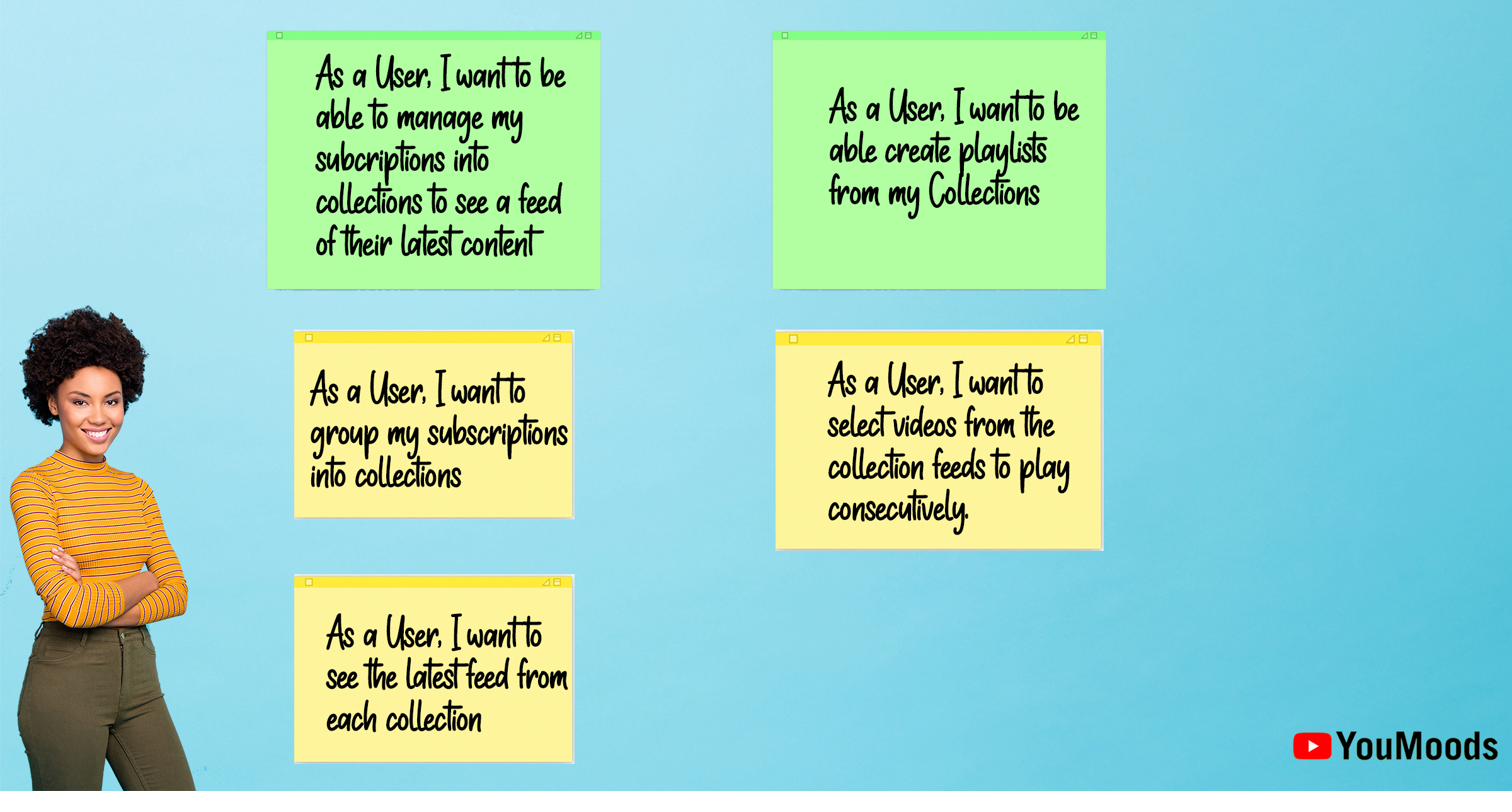
YouMoods lets users group their subscriptions into Moods — named collections with their own cover image, living in a strip at the top of the subscriptions tab. Tap a Mood, get a feed of the latest unwatched videos from just those channels. Add a few to a playlist and let them run back-to-back.
A workout Mood before the school run. A safe, hand-picked Mood for her daughter in the afternoon — only the channels Yasmin herself put there. Some soothing jazz, or her favourite YouTubers, once the house goes quiet. And every tap is explicit, high-quality signal the recommendation algorithm can retrain on — the user telling it, in plain terms, who they are at 7am versus 9pm. It’s Chaslot’s “anchor to subscriptions” fix and the research finding that interests drift over time, folded into one native-feeling feature. Notice it’s also YouTube’s own third freedom made real: people, not gatekeepers, deciding what’s popular.
And the name wasn’t marketing instinct — it came out of the research. A creator in that CSCW study1 accused the company of “trying to take the You out of YouTube.” This feature is the literal answer: putting it back.
Paper cited in this chapter1 reference
- Wu, E.Y., Pedersen, E. & Salehi, N. (2019). Agent, Gatekeeper, Drug Dealer: How Content Creators Craft Algorithmic Personas. Proc. ACM Human–Computer Interaction, 3 (CSCW), Article 219.
“Life can be hectic — we often wear many hats whilst seizing the day. YouMoods lets you curate YouTube to fit your lifestyle and the challenges of the day… perfect for those brief moments when an espresso video hit is required.”
YouMoods — You Curate.
Scoping the MVP
The discipline I’m proudest of in the original work isn’t what went in — it’s what stayed out.
Features In — the MVP
- Moods bar at the top of the subscriptions tab
- Create & manage Moods — group subscriptions, name them, add a cover image
- Per-Mood feed of the latest unwatched videos
- Build a playlist from one or more Moods for back-to-back play
Everything required to test the core hypothesis. Nothing more.
Features Out — deferred
- Save playlists for offline viewing
- Share playlists with friends & family
- Comments on shared playlists
- Collaborative playlists
Not critical to validating the MVP — each flagged as a possible Premium feature down the line. (Hold that thought for chapter 15.)
The Design
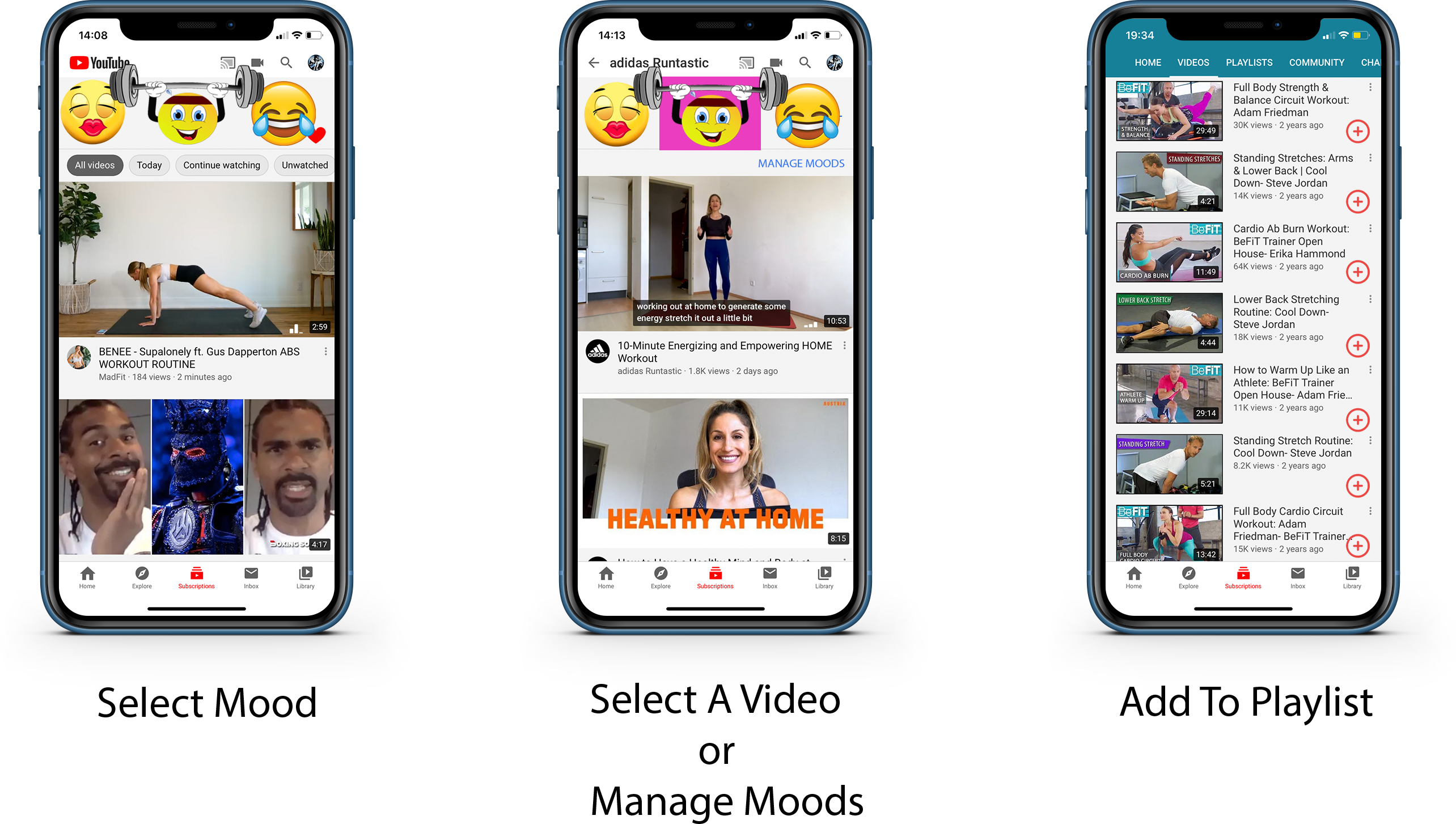
The flow had to feel native — not a bolt-on, but something that could have shipped in the next app update. Zero onboarding required. An eleven-minute session should spend zero of those minutes navigating:
Here’s 2026: The Remix
The 2020 version was enough for a five-minute pitch, the research, my findings and the idea. This time, there’s no constraints, no course work, no presentation to make and no deadline looming — and I now carry the UX half of the toolkit that 2020 me didn’t.
So I went back and completed the vision: a 2026 remix, rebuilt screen by screen.
The emoji strip grows up into cluster icons assembled live from each Mood’s channel avatars — yet the promise stays the same: zero onboarding. Scroll the flow:
The Moods Tab
Moods earns its own home in the bottom bar — a permanent tab beside Home, Shorts and Library. One tap in, from anywhere
Moods Menu
Moods live at the top menu bar. Each Mood has a cluster of the channels depicted by their avatar — gone are the emojis
Select Mood
One tap filters the feed to the latest unwatched from just those channels
Build Playlist
Plus buttons add videos to the queue across Moods. One tap plays them back-to-back
New Mood
Name it, add channels — it’s Yours!
New Mood
Edit Mood
Click pencil to edit Mood. Rename it, add/remove channels, or delete — channels stay subscribed
Edit Mood
All Caught Up
Watched videos slide out and the count falls to zero. The empty state is the promise: nothing stale, ever
You’ve watched everything in Workout — the feed only ever shows the latest unwatched.
Go-To-Market
Moods doesn’t need a campaign — it’s simply surfaces. It lives on the tab bar, the way Shorts does, and therefore doesn’t need to be announced with a press release; it will just get rolled out. The whole tab ships dark — switchable per user and per market, isolated from the core feed, killable in a second without an app update.
And it rolls out Premium first. An ad-free audience means advertiser inventory is untouched while the variables settle; a curation tab is a natural Premium perk; and Premium’s power users are exactly the several-times-a-day crowd the feature was built for. Shorts ran this same play over seventeen months — India beta, the US six months later, 100+ countries by month ten, beta tag off at month seventeen10 — and Moods mirrors the arc:
Where Shorts solved its cold start by auto-converting existing vertical videos, Moods solves its own the same way: the tab arrives with starter Moods auto-drafted from each user’s watch history and subscription clusters — rename them, delete them, keep them. Nobody meets an empty shelf, and no creator fund is needed: the content already exists.
There’s a longer-term hope in here too. A Mood is a user telling YouTube what they’re in the mood for — a signal the platform currently has to guess from watch history. If the feature earns its rollout, that same signal (handled transparently) could help serve non-Premium viewers ads that actually match the moment. Starting in Premium means we learn whether any of this works before a single advertiser’s campaign is touched.
Don’t announce the tab. Roll it out — and let the rollout answer the questions.
Source cited in this chapter1 reference
- Spangler, T. (2021). YouTube Shorts, Video Giant’s TikTok Copycat, Is Rolling Out in 100-Plus Countries. Variety, July 13, 2021.
The Numbers
A staged rollout is only as honest as the dashboard gating it, and the plan is an eighteen-month arc measured at every gate — the funnel below is the year-one scorecard, built on the audience that actually sees the tab first: YouTube’s 125 million-plus Premium subscribers11. Funnels lie when they multiply hope by hope; this one multiplies rollout by behaviour.
Base case 4 million daily; the pessimistic case halves trial and retention to land nearer 1.5 million; the optimistic one clears 8. Free-tier expansion through months 10–18 raises the ceiling from 125 million towards YouTube’s two billion — but that’s year two’s funnel, earned only if this one holds. Each gate reads the same dashboard: DAU of the tab, session length inside a Mood, playlists completed, and Day1/Day7 return — does anyone come back tomorrow?
And one number wears the crown: weekly Mood-feed sessions per user — the north star. If Yasmin isn’t opening her Moods week after week, nothing else matters. Around it, the guardrails: NPS among feature users; movement in those public ratings the research came from — if Trustpilot was the wound, Trustpilot is the dressing; Moods created per user; whether the several-times-a-day segment (38%) pulled the merely-daily (25%) up into habitual use; and, on the creator side, whether channels under 100k subscribers saw improved view-growth ratios. That last one was the “responsibility” guardrail, and quietly my favourite.
And one risk, named up front: Moods competes with recommendations for the same minutes.
Source cited in this chapter1 reference
- Cohen, L. (2025). 20 Years & 125 Million Subscribers Later… YouTube Official Blog, March 5, 2025.
Six Years Later: The Verdict
Here’s where a 2020 coursework project becomes something rarer: a prediction with results in.
YouTube still hasn’t built it. As of 2026 there is no native way to group subscriptions into folders or collections — no grouping, no reordering, no per-group filtering. The subscription feed remains one undifferentiated firehose.
But the demand didn’t go away. It went third-party. An entire ecosystem of browser extensions and apps now exists to do exactly what YouMoods proposed: PocketTube lets users group subscriptions into collections with custom icons and per-collection feeds of the latest videos, across Chrome, Firefox, Safari, iOS and Android. Newer entrants like Groupify pitch collections grouped “by topic, interest, or mood” — the mood framing and all — integrated directly into YouTube’s own interface.
Independent 2026 guides to organising YouTube subscriptions open by confirming the platform offers no native folders — and that the only real fix is a third-party overlay. Six years, no first-party answer.
People install extensions, sync them across devices, and back their collections up to the cloud — the classic “users duct-taping their own solution” signal every PM hunts for. I hypothesised it; the market demonstrated it.
Sharing and collaborating on collections — the exact features I deferred beyond MVP — are now headline features of those third-party tools. The 2020 roadmap wasn’t just plausible; strangers built it.
Extension users are power users. They prove intensity of demand, not the breadth my 2bn-user funnel assumed. Honest scorecard: problem validated, sizing unproven.
So how does the 2020 spec hold up against the tools that actually shipped? Line them up:
| Capability, 2026 | YouTube native | PocketTube | Groupify | YouMoods (2020 spec) |
|---|---|---|---|---|
| Group subscriptions into collections | — | ✓ | ✓ | ✓ |
| Custom icons / cover images per group | — | ✓ | ✓ | ✓ |
| Latest-videos feed per group | — | ✓ | ✓ | ✓ unwatched only |
| Play a group back-to-back as a playlist | — | ✓ | — | ✓ |
| Share & collaborate on collections | — | — | ✓ | deferred → Premium roadmap |
| No install — official app, every device, TV | — | — | — | ✓ |
| Explicit mood signal back to the recommender | — | — | — | ✓ |
Feature sets from the tools’ official store listings, mid-2026. YouTube native: no grouping of any kind — the row of dashes is the whole point.
The extensions tick most of the product boxes — and the bottom two rows stay empty, because no third party can tick them.
Reaching every device through the official app, and feeding explicit mood signal back into the recommender, are only possible first-party. Which is to say: the market has validated the feature, and the last two rows are the business case for YouTube building it anyway.
The public reviews of those tools double as free qualitative research on this exact concept. The praise clusters where you’d hope: users call grouping a must-have, and single out per-group feeds and play-all playlists — the very primitives in my Features In.
The complaints cluster somewhere more useful: extensions break whenever YouTube changes its layout, large subscription lists slow to a crawl, and features drift behind paywalls. Every one of those pains is an artefact of being third-party. Duct tape works — but it peels. The demand is validated by strangers; the fix still wants to be first-party.
The Honest Tension
So if the demand is real, why hasn’t YouTube built it? The senior-PM answer is uncomfortable and worth saying out loud: YouMoods may compete with the recommendation engine for the same minutes.
Recommendations drive watch time, and watch time drives revenue. A user who curates their own feed is a user the algorithm no longer fully owns. The irony is that my own 2020 research contained the whole warning: YouTube had already switched north stars once — views to watch time, after the Reply Girls gamed the old metric — and critics predicted, correctly, what optimising watch time would reward. Every metric bends the platform around itself. My pitch argued explicit curation would feed the algorithm better signal — and I still believe that — but it’s a genuine trade-off to be tested, not a free lunch.
A user who curates their own feed is a user the algorithm no longer fully owns.
In an ideal world, users who know their favourite creators — and, like Yasmin, are wary of what the recommendations might choose next once her kid’s favourite video ends in that Mood — would be watching those channels anyway, and this frees up more time by making their process manageable. Time being key here: as long-term users who likely discovered their favourite channels through YouTube, and as recommendations improve, given longer watch durations they are likely to return to pulling the lever again at the YouTube casino, seeing if they strike 7-7-7 with a great recommendation. Having both Recommendations and YouMoods means everyone is catered for — the more established users and those who still value Recommendations. This is something that can be tracked, of course.
The Handover — Product Then, UX Now
In 2020 I built this case with a product lens. Since then I’ve qualified in UX. So this chapter isn’t a list of regrets; it’s a handover. The product manager found the problem, sized the market and made the business case. The UX designer now takes the baton — and here’s the plan I’d run.
- Put the prototype in front of real people. The live demo exists to be tested, task-based sessions — create a Mood, find the latest from it, build a playlist — measured by completion, time-on-task and where thumbs hesitate.
- Interview, then affinity-map. The 700 reviews found the wound; five to ten conversations with frequent daily users would map it — transcripts to affinity map, affinity map to the jobs the reviews can only hint at.
- Journey-map Yasmin’s eleven minutes. Locate the emotional lows of a single short session — that’s where the design has to work hardest, and where the Mood bar either earns its place or doesn’t.
- Test the cluster icons head-to-head. The 2020 mockups used emoji; the 2026 prototype builds each Mood’s icon from its channel avatars. Recognition-speed testing settles which one Yasmin reads faster with a toddler on her hip.
- Crown a friction metric. Time-to-first-Mood, measured from first tap — no-onboarding. If it needs explaining, it’s not done.
Same problem, through two lenses. The product case has aged into evidence; the UX case is ready to run. That’s who I am, rolled into one.
Vibe Coded: Try It for Yourself
Reading about a feature isn’t the same as trying it. So, I vibe coded YouMoods into existence as a limited demo, so you can give it a go! Et Voilà!